 Bedding
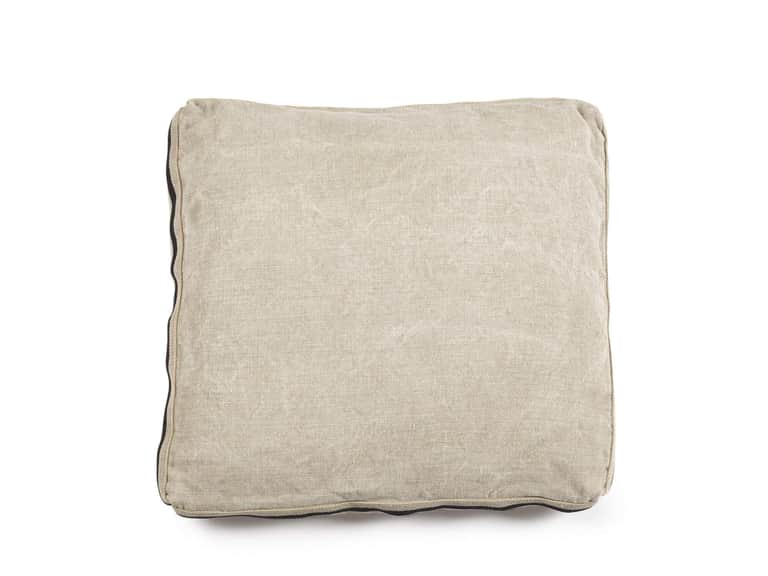
James Pillow cover
Transform your floor cushions with a soft, breathable linen cover that’s removable for easy care—just wash up to 40°C, line dry, and iron with steam for a smooth, fresh feel every time.
Pillows are essential components of a restful sleep environment, offering support and comfort that can influence alignment and relaxation. This category explores pillow types, materials, and constructions, highlighting how loft, firmness, and fill—such as down, memory foam, or synthetic alternatives—affect sleep quality and neck wellness. Key terms include bedding and sheets to maintain a cohesive nocturnal setup.
Understanding pillow construction helps clarify functional benefits for different sleep positions. Features to consider include fill density, gusseted versus standard designs, and moisture-wicking or hypoallergenic fabrics. By examining these attributes, readers can assess how a pillow supports head, neck, and shoulder regions during various phases of sleep.
The James Pillow cover illustrates how fabric choice impacts comfort and durability. With attention to breathable fabrics and easy care, pillow covers can enhance hygiene and longevity while maintaining softness. Selecting appropriate pillow covers for climate, skin sensitivity, and allergen considerations contributes to a healthier bedding environment.
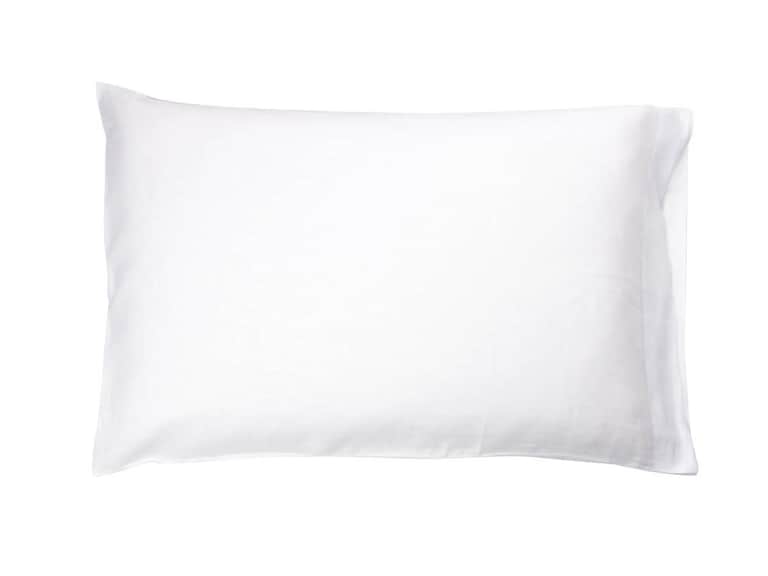
The Classics Geneva Pillow-case demonstrates a refined, low-friction surface that reduces irritation and helps preserve pillow integrity. This type of pillow-case often features envelope closures or tailored seams to minimize irritation and keep the pillow in place, supporting consistent sleep quality and neat bedding aesthetics.
In summary, evaluating pillows involves aligning personal comfort preferences with product features such as fabric type, pillow cover compatibility, and functional benefits for neck support and thermal regulation. These considerations integrate with overall bedding choices—sheets, bath towels, and related products—to promote a cohesive and restful nightly routine.
Bedding
 Bedding