Home textiles · A practical guide
Bath Towels Explained: How Cotton, Weight, and Weave Shape Everyday Use
A bath towel has a modest job and an unexpectedly complicated one: take water off the body, feel agreeable while doing it, and dry again before the next turn. Its fiber, weight, and construction all contribute to that routine. Knowing what those details mean makes it easier to choose between a plush towel, a quick-drying one, and the many options in between.
The small engineering of a bath towel
It is tempting to judge a towel by touch alone. In a shop, one feels thick, another soft, a third almost startlingly light. But the first impression is only part of the story. A towel’s performance depends on the fibers that make it up, the way those fibers are spun and woven, and how much material is packed into a given area. Finishing treatments, laundering, and the conditions in which the towel is used matter, too.
These qualities are connected, but they are not interchangeable. A heavy towel may feel substantial without being the most absorbent. A soft towel may take longer to dry. A looped construction can hold a good deal of water, while a flatter weave may be easier to air-dry and pack. No single specification predicts the whole experience.
The useful question is not simply, “What is the best towel?” It is: best for which bathroom, which routine, and which preferences? A towel that works beautifully in a spacious, well-ventilated room may be a damp nuisance in a small bathroom shared by several people. The ideal choice often comes from balancing absorbency, drying time, comfort, and care.
Cotton: familiar, adaptable, not all the same
Cotton is the most familiar fiber in bath towels, and for good reason. It is comfortable against the skin, generally absorbent, widely available, and compatible with ordinary laundering. Yet “cotton” describes a broad family of towels, not one fixed feel or performance. Differences in yarn, fiber length, spinning, pile, and finishing can be as noticeable as the difference between two garments made from the same basic material.
Some towels are made with longer cotton fibers, which can be spun into smoother, stronger yarns. The fiber length is one factor among several; it does not, by itself, guarantee a particular level of softness or durability. Yarn construction and the quality of the weaving also matter. Labels may use terms such as “combed” or “ring-spun,” referring to ways of preparing or spinning yarn. These details can help describe construction, but they should be read alongside weight, weave, and care instructions rather than treated as a complete verdict.
Organic cotton refers to how cotton is grown and certified under a particular standard, not to how plush a towel will feel. Likewise, a towel’s country of origin or an appealing name for its cotton does not automatically tell a shopper how quickly it will absorb or dry. For those questions, the finished fabric’s construction is more directly relevant.
Cotton blends appear in some towels, though the proportions and purposes vary. A blend may be designed to influence softness, strength, drying behavior, or cost. The fiber content label is the place to begin: it tells you what the towel is made of, even if it cannot describe precisely how the towel will feel after months of use.
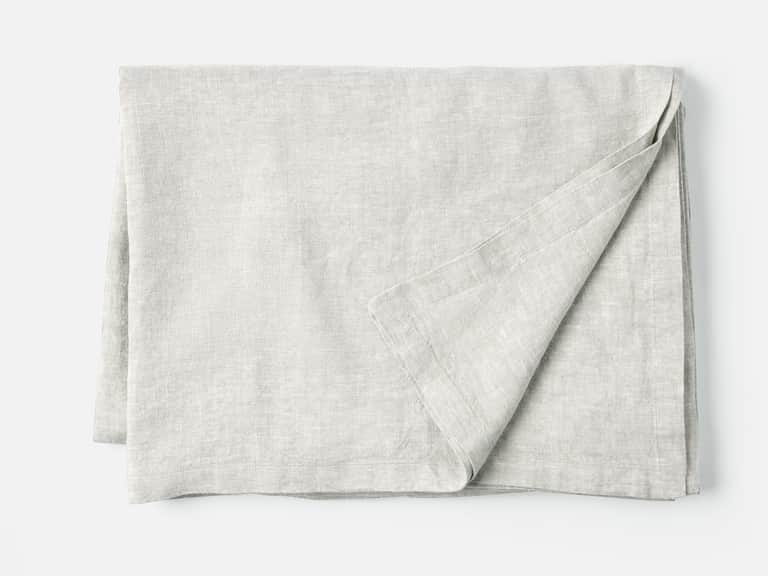
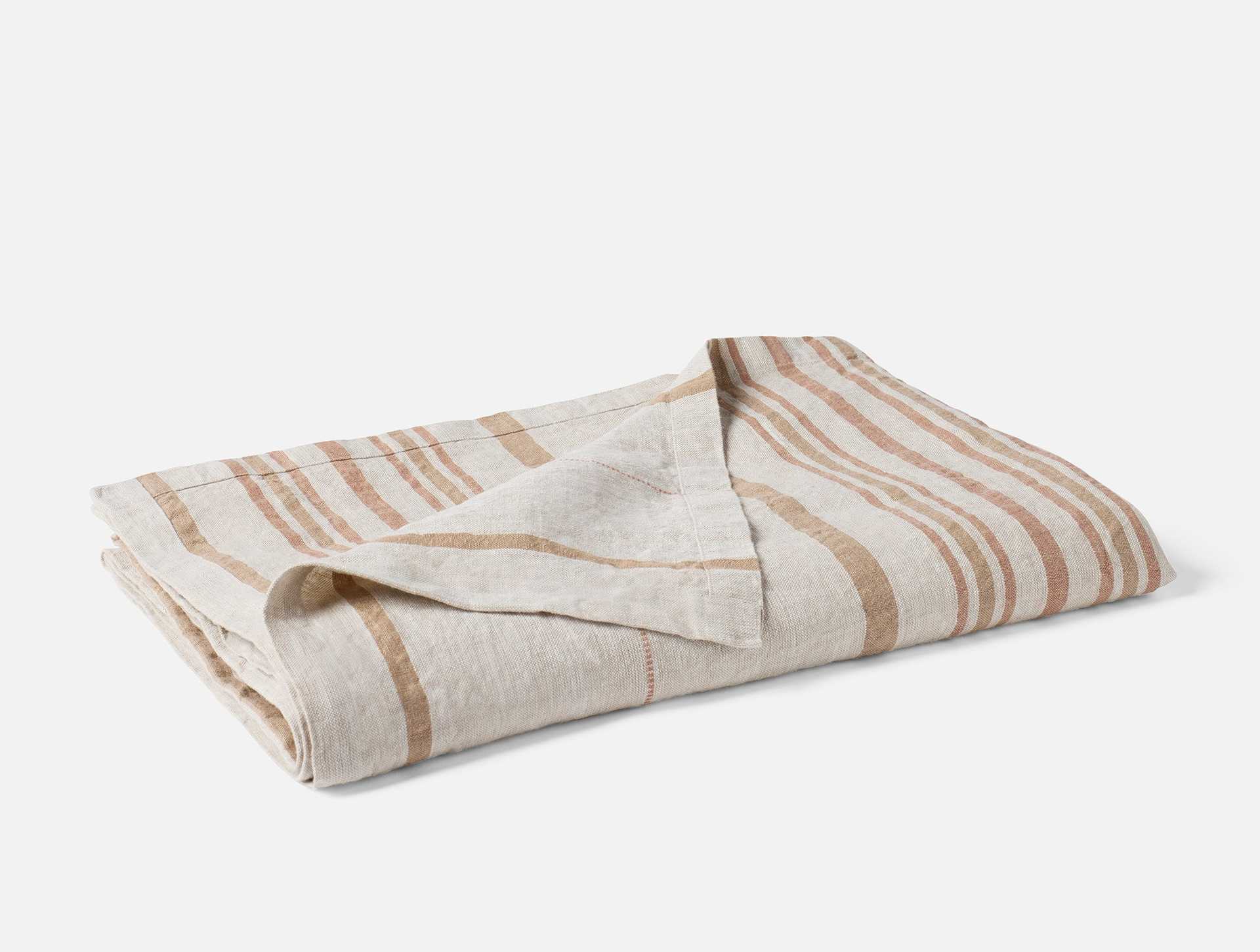
There are towels made from linen and other fibers, too. A flatter linen fabric, for instance, behaves differently from a deep cotton terry. That is not a contest in which one material must win; it is a reminder that towels are tools as well as textiles. Their best material depends on the task and the user’s preferred balance of texture, absorbency, and care.
Weight: a clue, not a score
Towel weight is often expressed in grams per square metre, abbreviated GSM. The figure describes the mass of the fabric over a standard area. In broad terms, a higher GSM towel tends to feel denser and more substantial, while a lower GSM towel is often lighter and easier to handle. The measure is useful for comparison, but it is not a universal rating of quality.
A dense towel may feel enveloping after a bath and hold plenty of water. It may also take longer to dry, especially if it is hung in a crowded or poorly ventilated bathroom. A lighter towel can be less cumbersome, wash and dry more readily, and suit a household that needs to rotate towels frequently. It may feel less luxurious to someone who wants a thick, cushioned wrap.
Weight should be considered with size and weave. A large, light towel can use a substantial amount of fabric without feeling dense; a smaller towel can feel weighty because its pile is compact. Two towels with similar GSM figures can still differ in loft, softness, and water uptake. The number is a useful piece of context, not a promise about the experience.
There is also a practical consequence to choosing heavier towels: they take up more room in the wash and in the linen cupboard. A washing machine crowded with bulky textiles cannot move them freely through water and rinse cycles. A dryer, meanwhile, may need more time and energy to dry a dense load. In a household that launders towels often, this can become more significant than the appealing heft in a product description.
Think of weight as a way to narrow the field. If you want a towel that feels substantial and you have good drying conditions, a heavier option may suit you. If towels need to dry promptly between showers, or if storage and laundry capacity are limited, a lighter fabric may be more practical. Neither preference is a compromise in itself.
Weave and pile: where the surface does its work
Many familiar bath towels are terry cloth. Their characteristic loops create a soft, textured surface with plenty of exposed fiber. These loops help the towel take up water and give it the cushioned feel many people associate with a hotel bathroom. Their height and density vary. Longer or fuller loops may feel especially plush, but the details of yarn and construction still influence absorbency and durability.
Loops have a practical vulnerability: they can snag. A towel caught on a rough edge or pulled by a sharp object may develop a loose thread. It is best to trim a snag carefully rather than tug at it, since pulling can unravel more of the fabric. Loop pile also means there is more surface and bulk to dry than in many flatter towels.
Flat-woven towels, sometimes called tea-towel-like or waffle constructions depending on their pattern, offer another kind of usefulness. Their surfaces are less lofty, and some are lighter and quicker to dry than plush terry towels. A waffle texture creates a patterned surface that can feel distinctive without the deep pile of a conventional bath towel. The trade-off is tactile: someone who wants a soft, thick wrap may not find a flat weave satisfying.
There are also towels with a smooth face on one side and loops on the other, or with different pile characteristics across the surface. The names used for these constructions can vary among makers, so looking at the actual description and care label is more informative than relying on a marketing term. If possible, feel the fabric. A photograph is poor at conveying density, loop length, or the way a towel drapes.
Weave can affect how water moves into and through a towel, but it does not operate independently of fiber and finish. A towel’s ability to absorb depends on the structure and condition of its fibers, and on whether a surface treatment is present. In practice, a towel that is soft and absorbent when new may change with laundering. The first wash can remove some finishing residue and release loose fibers; repeated use and care gradually establish the fabric’s everyday character.
Absorbency and drying time: a household negotiation
Absorbency is the quality most people notice first in use. A towel that absorbs readily can dry skin with a few gentle presses; one that mostly shifts water around may invite vigorous rubbing. A towel’s ability to take up moisture is influenced by fiber, yarn, pile, and finishing. A softener or other finish can leave a pleasant initial hand, but residue from fabric softeners may build up on some towels and reduce their capacity to absorb water.
Drying time is related, but it is a separate measure of convenience. A towel that absorbs a great deal may retain more moisture and take longer to dry, especially when it is thick or folded over a rail. Ventilation, humidity, spacing, and the temperature of the room all affect the result. The same towel can feel fresh and dry in one bathroom and remain damp in another.
That dampness is not merely an aesthetic problem. A towel that does not dry adequately between uses can develop an unpleasant smell and may need washing more often. Hanging it open rather than leaving it bunched on a hook gives more of the surface access to air. In a busy household, a towel bar or several well-spaced hooks can make a real difference.
For one person in a well-ventilated bathroom, a thick towel may dry comfortably between daily uses. For a family sharing a bathroom, a lighter towel that dries quickly may make the routine easier. In a humid climate, drying conditions deserve more attention than the appeal of a particularly lofty pile. The towel must work in the room it will actually inhabit, not in an imagined, sunlit bathroom with unlimited space.
Choosing for the way you live
A useful comparison starts with the towel’s job. A bath sheet, larger than a standard bath towel, offers more coverage and can be especially comfortable for someone who likes to wrap up fully. Its extra fabric also means more weight in the laundry and greater drying demands. A standard bath towel is easier to store and may be sufficient for everyday use. Hand towels and washcloths have different proportions and demands, so their ideal weight and construction need not match the bath towels in the same cupboard.
Consider how many towels the household uses and how often laundry is done. If towels are washed frequently, durability and manageable drying time may matter more than maximum plushness. If you have a heated towel rail or a dryer, a heavier towel may be easier to accommodate. If the bathroom is small, storage space limited, or ventilation poor, a compact, lighter towel may be the more satisfying choice over the long term.
Skin sensitivity is another personal consideration. A towel’s surface may feel gentle to one person and too textured to another. Someone who prefers a smooth finish may favor a low-pile or flatter construction; another person may find that surface less comfortable than soft terry. “Soft” is not a single measurable sensation. It can mean plush, smooth, flexible, or simply free from scratchiness, and those are not always the same thing.
Color and appearance matter, too, partly because towels are used in a room. But a carefully chosen shade cannot compensate for a towel that remains wet for hours or feels unpleasant against the skin. It is reasonable to begin with practical needs and then select among the options that fit them.
- For a plush feel: Look at terry towels with a fuller pile and a weight that your laundry and drying setup can handle.
- For easier drying: Consider lighter towels or flatter constructions, and make sure they can be hung with air circulating around them.
- For a small bathroom: Check both the towel’s dimensions and its bulk when folded. A large bath sheet may be comfortable but occupy much more space.
- For frequent shared use: Prioritize workable wash-and-dry routines, and keep enough towels in rotation to avoid using one while it is still damp.
- For a particular feel: If you can, handle a sample. Product labels describe materials and measurements; touch gives a more immediate sense of texture.
Care: preserving the towel you chose
The care label is the best starting point because towels can differ in fiber, dye, trim, and finishing. In general, wash new towels before first use, follow the recommended water temperature, and avoid packing the machine so tightly that the fabric cannot move freely. Detergent used in excess may leave residue. Rinsing thoroughly helps keep the towel’s surface from feeling coated.
Fabric softener deserves particular restraint. It can make some textiles feel smoother, but its residue may interfere with the absorption expected of a towel. If a towel becomes less absorbent over time, buildup from detergent or softener is one possible cause. Using less product and following the manufacturer’s instructions may help; the appropriate response depends on the care guidance for that towel.
Drying a towel fully between uses is as important as washing it periodically. Shake it out after use, hang it open, and avoid leaving it in a damp pile. If using a tumble dryer, follow the label and do not assume the hottest setting is the best one. Excessive heat can place unnecessary stress on fibers, while under-drying can leave the towel clammy. Outdoor line drying is useful where conditions allow, though direct sun may affect some colors over time.
Loose threads and minor snags are ordinary signs of use. Cutting a loose loop rather than pulling it can prevent further damage. Keeping towels away from rough fasteners, open zippers, and abrasive surfaces can also help preserve their texture. With sensible care, a towel need not remain as lofty as it was on the shelf to remain comfortable and useful.
Reading labels without being ruled by them
Product descriptions often gather together fiber names, weight, construction, country of manufacture, and care instructions. Each fact answers a different question. Fiber content tells you what is present. GSM offers a comparison of fabric weight. Weave and pile describe the surface and structure. Dimensions tell you how much coverage to expect. Care directions indicate what the manufacturer considers suitable for washing and drying.
Some claims are less precise. Words such as “luxury,” “spa,” or “hotel” may suggest a mood, but they do not establish a standard of absorbency or longevity. Even “quick-drying” depends partly on the room, climate, and way the towel is hung. Rather than looking for one magic term, compare the concrete details and ask whether they suit your circumstances.
Certifications can be meaningful for specific questions about materials or production, but they do not tell you whether a towel will feel plush or dry quickly in your bathroom. Keep those considerations distinct. A responsible material choice and a comfortable everyday towel can be compatible goals, but one does not automatically prove the other.
A simple comparison before you decide
Imagine two towels of the same size. One is a dense cotton terry with a high pile. The other is a lightweight towel with a flatter construction. The first may feel cushier and take up water readily; the second may be easier to fold, store, and dry between uses. If a household has a spacious bathroom and a reliable drying routine, the first may be a pleasure. If towels are needed in quick succession or hung in a humid room, the second may prove more convenient.
Now add the person using them. Someone who likes to wrap up after a shower may value the larger towel’s coverage. Someone who dislikes a heavy fabric may prefer the lighter option even if it takes an extra pass to dry off. Another person may care most about a smooth surface or a particular color. These preferences are not distractions from the technical comparison; they are the reason the comparison matters.
When options seem similar, examine their dimensions, weight, pile, fiber content, and care requirements together. If the description omits weight, do not assume a towel’s thickness from its photograph. If it gives a weight but says little about construction, remember that the number cannot tell the whole story. A sample or a clear return policy may be useful when tactile comfort is central to the decision.
The everyday answer
The best bath towel is not necessarily the heaviest, softest, or most elaborately described. It is the one whose material, construction, and size suit the person using it and the place where it must dry. Cotton offers a familiar range of textures and weights. Terry pile often brings softness and absorbency; flatter weaves can offer a lighter, less bulky alternative. Weight helps indicate density, while drying time depends on that density and on the conditions at home.
Once these distinctions are clear, comparison becomes less mysterious. Look beyond the first squeeze of a towel and consider the routine that follows: the shower, the hanging, the next use, and the eventual wash. A towel is a small domestic object, but it has to perform the same quiet task again and again. Choosing well means giving equal thought to how it feels in the hand and how it behaves after the hand lets go.
Frequently asked questions
Does a higher GSM always mean a better bath towel?
No. A higher GSM usually indicates more fabric mass per area and may suggest a denser, more substantial feel. It can also mean longer drying time and greater bulk. Quality and comfort depend on the fiber, yarn, weave, finishing, and how the towel is used.
Why might a new towel seem less absorbent than expected?
Finishing residues or product buildup can affect how readily water enters the fabric. Washing a new towel according to its care label may help remove some residues. Over time, excess detergent or fabric softener may also contribute to a coated feel.
Are thick towels always slower to dry?
Thicker, denser towels often take longer to dry, but the result also depends on the weave, fiber, room humidity, air circulation, and how the towel is hung. Spreading a towel open gives it a better chance to dry than folding it over itself.
What is the difference between a bath towel and a bath sheet?
A bath sheet is generally larger than a standard bath towel, providing more coverage for wrapping around the body. It also uses more fabric, so it can be bulkier to wash, dry, and store. Exact dimensions vary by maker.