Comforters are the primary layer for providing warmth and a cohesive sleeping surface, combining insulating fill with a durable outer fabric. They vary by fill material, weight, and loft, which influences warmth ratings and breathability. Understanding these features helps align a comforter with seasonal needs and personal sleep preferences in bedding setups.
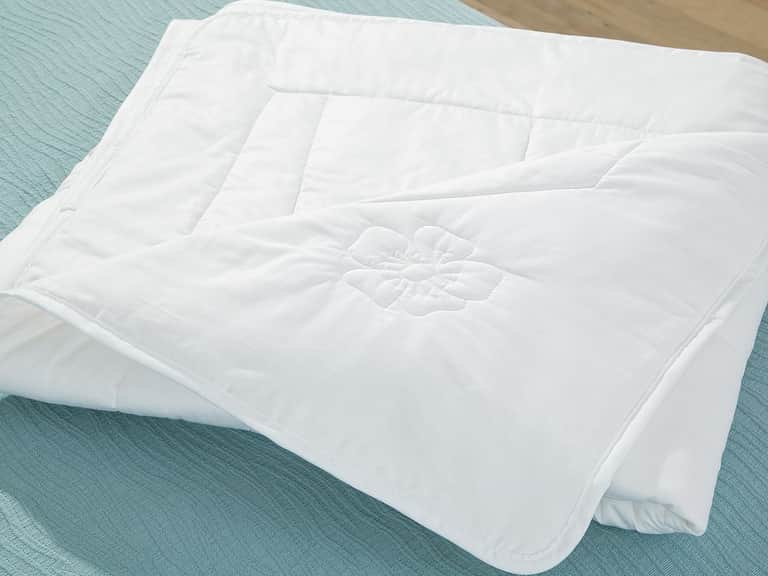
Common fill options include down, down-alternative fibers, and hybrid blends, each with distinct warmth-to-weight characteristics. DownTown Company Summer Linen Summer Comforter, for example, emphasizes lightweight, breathable performance ideal for warmer climates or milder seasons, helping regulate temperature while maintaining a plush, inviting appearance.
Outer fabrics such as cotton, linen, and cotton blends contribute to comfort, moisture management, and durability. Linen blends, in particular, offer enhanced airflow and a natural moisture-wicking capability, which can reduce nighttime temperature fluctuations and preserve a crisp, fresh feel without sacrificing softness.
Practical attributes like stitch construction, corner loops, and corner ties impact how a comforter coordinates with a duvet cover and protects against shifting. A well-constructed comforter maintains even loft, supports long-term shape retention, and contributes to a tidy bed presentation within a functional sleep environment.
In evaluating bedding options, consider how a comforter complements related bedding items such as sheets, pillows, and duvet covers. The right choice balances warmth, weight, fabric feel, and care needs, ensuring a harmonious sleep system that aligns with climate, room temperature, and individual comfort priorities.
 Bedding