A practical guide to blankets
Coyuchi Blankets: A Guide to Fiber, Texture, and Layering
A blanket is a small piece of household engineering disguised as an invitation to sit down. Its fiber, weave, weight, and surface determine whether it belongs at the foot of a bed, over the back of a chair, or within immediate reach on a cool evening. Understanding those details makes it easier to choose a Coyuchi blanket—and to layer it comfortably as the weather changes.
The blanket’s quiet job
There is a moment, somewhere between turning down the bed and turning off the light, when the bedding’s abstract qualities become rather specific. A coverlet that looked composed in the afternoon may feel too light at midnight. A wool layer that seemed sensible in the shop may prove overly ambitious in a warmly heated room. The blanket, unlike the decorative cushion or the carefully chosen bedside lamp, is eventually asked to perform.
Its work is not simply to produce warmth. A useful blanket manages warmth, air, and the small fluctuations of a room: a window left open, a furnace that cycles off, a sleeper who runs hot, another who prefers to tuck in tightly. It may also soften the visual edge between sheets and duvet, or bring a little relief to a sofa arranged with the seriousness of a waiting room. The best choice depends on how these purposes overlap.
For shoppers considering Coyuchi blankets, the same principles apply as they do to any considered textile purchase. Start with the intended use, then look closely at fiber and construction. The brand name can help identify a maker’s point of view, but it cannot tell you everything about the particular blanket in front of you. Product descriptions, care labels, dimensions, and the feel of the material—where it is possible to handle it—remain the more useful evidence.
Begin with the fiber
Fiber is the material’s first language. It influences weight, drape, warmth, moisture handling, and the way a blanket changes with washing and use. Natural fibers are often prized for their tactile character, but “natural” is not a performance guarantee. Wool, cotton, and linen behave differently; each has its own strengths and limitations, and the quality of the finished cloth depends on more than the name of the fiber.
Wool: warmth with structure
Wool is a natural choice when a blanket is expected to provide appreciable warmth. Its crimped fibers can trap air, creating insulation without requiring a fabric to feel like a heavy padded object. A wool blanket may be especially useful in a cool bedroom, a drafty house, or a living room where warmth is wanted without changing the thermostat. Depending on yarn, weave, and finish, wool can feel springy, smooth, lofty, or distinctly rustic.
That variety is important. A loosely woven wool throw may be light and airy; a denser blanket can feel more substantial and protective. Wool may also require more careful laundering than a washable cotton layer. Before buying, check whether the item is machine washable, hand-washable, or intended for professional cleaning, and consider whether that routine suits the way you live. A fiber’s theoretical virtues are less persuasive when its care instructions make regular use inconvenient.
Cotton: familiar, versatile, and easy to place
Cotton blankets range from open, lightweight weaves to compact, softly brushed constructions. Their familiarity is part of their appeal: cotton can be comfortable against the skin, adaptable across rooms, and relatively straightforward to maintain, although care requirements vary by product. A lighter cotton blanket may sit above a top sheet in summer or act as an intermediate layer in winter. A heavier one can stand on its own on a sofa or bed.
When comparing cotton blankets, look past broad words such as “soft” or “lightweight.” Seek information about the weave, fabric weight, finish, and washing method. A textured cotton blanket may feel more substantial than its weight suggests, while a dense, smooth weave may lie neatly beneath a duvet. These distinctions matter at least as much as the fiber label.
Linen: texture, breathability, and a lived-in surface
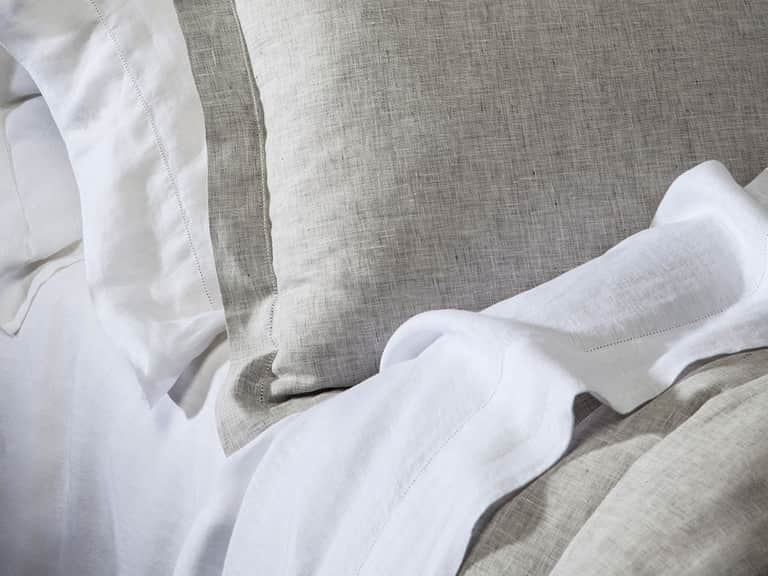
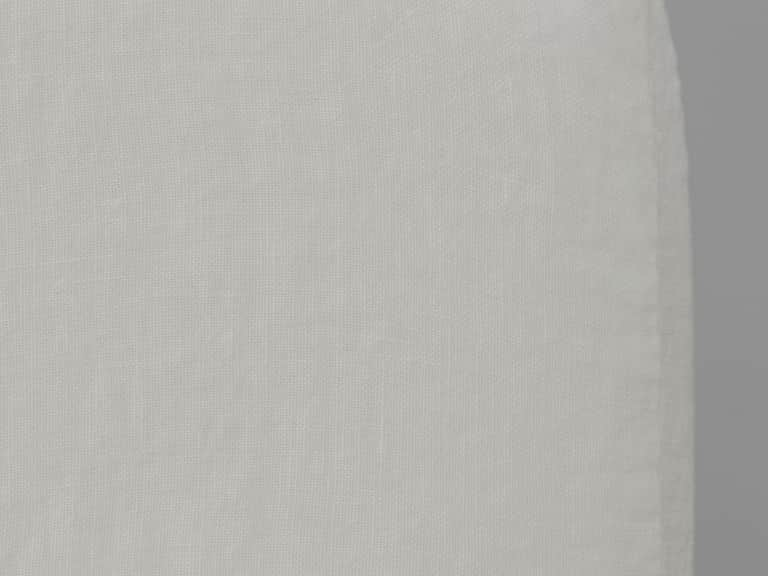
Linen is made from flax and is often recognized by its gently irregular surface and relaxed drape. In bedding and home textiles, it is valued for its texture and airiness; its exact feel depends on yarn, construction, finishing, and use. A linen layer can add definition to a bed that would otherwise be a uniform expanse of smooth fabric. It can also look at home folded casually over a sofa, where a little natural creasing feels less like a flaw than a record of having been used.
It helps to distinguish the material from the mood often associated with it. Linen is not automatically cool in every circumstance, nor does every linen textile feel rough or crease-prone in the same way. Finishing can make a considerable difference. A washed linen surface, for example, may feel more relaxed from the beginning than a crisp, minimally softened cloth. Anyone who prefers a very smooth hand should pay particular attention to product descriptions and, if possible, feel the fabric before deciding.
Blends and practical trade-offs
Blended fibers may combine qualities that a single fiber does not provide as readily: perhaps a particular drape, resilience, price point, or ease of care. The word “blend,” however, is not enough to predict performance. Check the composition and the proportion of each fiber. A small percentage of one material can influence the feel of a textile, but it will not necessarily make it behave like a blanket made entirely from that fiber.
Ask what you want the blanket to do. If frequent washing is likely, care instructions deserve as much attention as softness. If it will live at the foot of a bed, weight and drape may matter more than extreme warmth. If it will be wrapped around shoulders on a cold evening, dimensions and flexibility become essential. The best fiber is the one that makes sense for the job and the habits surrounding it.
Texture is construction made tangible
Texture is sometimes treated as decoration, as though it were something added after a textile’s useful properties had been settled. In practice, texture often announces how a blanket is made. A waffle weave has a raised grid and pockets of air. A ribbed or herringbone surface creates directional pattern. A brushed finish may feel softer and more enveloping. A relatively smooth weave can lie flat and make a bed feel orderly without adding visual bulk.
These differences affect use as well as appearance. An open, airy construction may suit a mild evening or serve as a decorative top layer. A denser, more compact blanket may provide greater coverage and a more grounded feel. A lofty surface can appear warmer and more informal; a flatter textile may tuck more easily beneath other bedding. None of these features is inherently better. They are clues to how the blanket might behave in a particular room.
Texture also changes the way color reads. A pale blanket with a nubby or irregular surface may show shadow and variation, even in a restrained palette. A smooth textile can make color appear more even and direct. If the room already contains patterned sheets, a textured solid can add interest without introducing another motif. If the bedding is plain, a woven pattern may provide a quiet focal point.
It is worth considering how the textile will be handled. A blanket intended to be pulled up every night should feel pleasant against the skin and be flexible enough to arrange easily. A throw used mainly as a finishing accent can prioritize drape and surface character. For either role, read the care label. Some textures are integral to the weave; others depend on a finish that may change with vigorous washing or high heat.
Weight, warmth, and the room itself
People often ask for a blanket that is “warm,” as if warmth were a single measurable sensation. In a home, it is the result of several things: the room’s temperature, the amount of air circulating, the sleeper’s preferences, the layers already on the bed, and the blanket’s construction. A substantial wool layer on a cool bed may be welcome. The same blanket, added over a thick duvet in a heated room, may be excessive.
For that reason, decide whether a blanket is meant to be a primary layer or a flexible one. A primary layer should provide enough warmth to carry the bed through the coldest ordinary part of the night. A flexible layer is added or removed as conditions change. The latter approach can be especially comfortable for shared beds, rooms with uneven temperatures, or people whose preferences shift between bedtime and early morning.
Dimensions matter, too. Measure the mattress and consider how much overhang you want. A blanket sized for a bed but used as a throw may feel unwieldy; a compact throw may not cover a sleeper comfortably. On a sofa, think about whether it should cover one person, two people, or simply soften the furniture. Product dimensions are mundane until the blanket arrives, at which point they become the whole story.
Look for information about weight when it is available, but do not treat weight as a perfect substitute for warmth. A dense blanket can feel reassuring without being very lofty. A lighter, more open fabric may provide a different kind of comfort, with air moving more freely through the weave. Fiber and construction work together, and the word “weight” alone cannot describe their combined effect.
A considered approach to layering
Layering works best when each piece has a clear purpose. Begin with the sheets, then add a blanket or quilt, and finish with a duvet or comforter if the room and season call for it. This is not a rule that must be followed in every household; it is simply a way to make the bed adjustable. One substantial covering can be entirely sensible. Several lighter layers offer more control.
- In warm weather: Use breathable sheets and a light blanket, or keep the blanket folded within reach for the cooler hours before dawn.
- In a changeable season: Pair a moderate-weight blanket with a duvet that can be folded back or removed as the temperature shifts.
- In cold weather: Use a warm base layer and add a denser blanket where extra insulation is needed, while making sure the combination remains comfortable rather than cumbersome.
- On a sofa: Choose a blanket that is large enough to wrap around the shoulders or legs but easy to fold and store when not in use.
The visual result need not be elaborate. A blanket folded across the lower third of a bed can create a clear line and make it easy to reach when needed. Draped loosely over a chair, it suggests availability without requiring the rest of the room to participate in a staging exercise. If you prefer a more layered bed, vary texture or weight rather than stacking several nearly identical pieces. Contrast gives each layer a reason to be there.
Color can help establish order. A neutral blanket can bridge sheets and a patterned duvet; a stronger color can give a quiet room a point of focus. Natural textures often introduce variation without insisting on a pattern. When choosing colors online, remember that screens, daylight, and indoor bulbs can shift how a shade appears. Product descriptions and swatches are useful guides, not promises of identical color in every room.
How to evaluate a Coyuchi blanket
A sensible evaluation begins with the specific item, not with assumptions about an entire brand. Look for the fiber composition, dimensions, construction, weight where provided, country of manufacture if disclosed, and complete care instructions. These details allow you to compare blankets on their actual merits. A general description may communicate a product’s intended character; the specifications tell you what you can plan around.
Then match those facts to your own circumstances. Is the blanket for a bed or a living room? Will it touch bare skin? Is it expected to be washed often, or can it be used as a less frequently cleaned top layer? Does the room stay consistently warm, or does its temperature wander? Do you enjoy an irregular, relaxed surface, or prefer a smooth and crisp one? A candid answer to these questions is often more valuable than chasing a universal ranking of the “best” blanket.
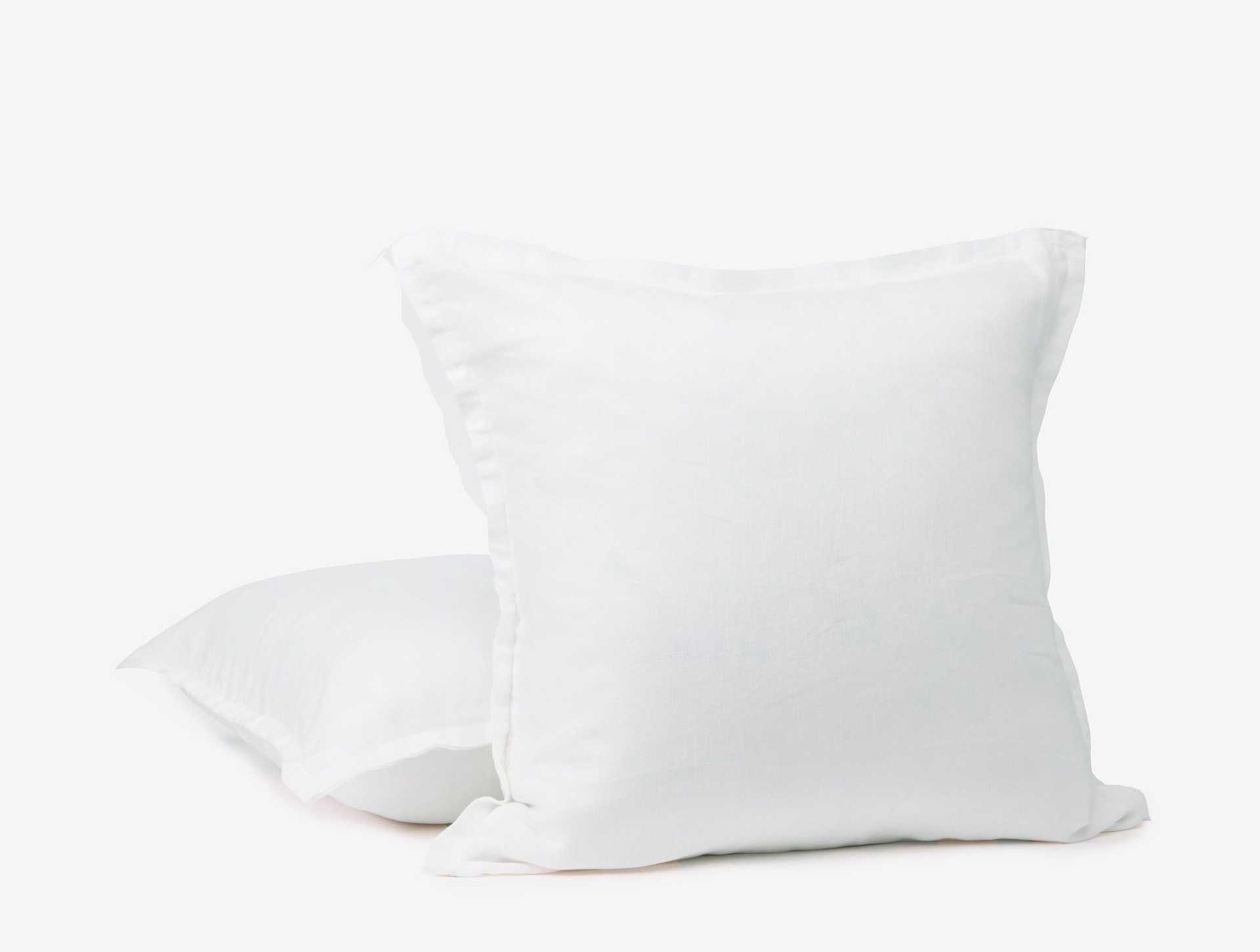
Consider the bed as a whole, too. Linen sheets, for instance, have a distinct natural texture and can form part of a relaxed, breathable bedding arrangement. A decorative linen pillow cover can echo that surface in a room, though it is an accent rather than a substitute for a blanket. In any layered arrangement, repeating a material or color in small ways can make the bed feel coherent without making every component a matching set.
If a product description uses terms such as organic, certified, or responsibly made, look for the specific explanation behind the claim. A named standard or certification can help clarify what has been verified; broad language alone is harder to assess. This is not a reason for suspicion so much as a reason to prefer clear information. Good textile buying, like good housekeeping, is improved by knowing what the label actually says.
Care is part of comfort
Blankets spend their lives in contact with beds, sofas, skin, and the occasional cup of tea. Over time, dust and ordinary use accumulate. The right care routine protects the textile and makes it more likely that you will use it without hesitation. Start with the manufacturer’s instructions, which take precedence over general advice, particularly for wool, specialty finishes, and blended fabrics.
When machine washing is permitted, avoid overcrowding the washer. A blanket needs room to move and rinse; a tightly packed drum may clean it unevenly or strain the fabric. Use the recommended water temperature and detergent, and be cautious with bleach, fabric softener, and high heat unless the care label specifically allows them. For items requiring hand washing or professional cleaning, follow that guidance rather than experimenting with a routine intended for ordinary cotton bedding.
Drying deserves the same attention. Some blankets can be tumble-dried on a low setting; others should be air-dried or laid flat. High heat can shrink or distort certain fibers and finishes. Before storing a blanket for the season, make sure it is clean and thoroughly dry. Store it somewhere cool and dry, away from persistent damp, and avoid compressing it so tightly that its structure is unnecessarily flattened.
Small habits help. Fold or air a blanket between uses, and address spills promptly according to the material’s care instructions. If a loose thread appears, resist the impulse to pull it; a minor snag can become a larger problem. A blanket designed for everyday life should be used, but using it thoughtfully helps preserve the surface that made it appealing in the first place.
A short checklist before choosing
Before deciding, make a brief inventory of what the blanket must do. The exercise is less glamorous than imagining the finished room, but much more likely to produce a useful purchase.
- Identify its primary setting: bed, sofa, guest room, or occasional outdoor use.
- Choose the desired warmth and decide whether the blanket should work alone or as one layer among several.
- Check the material, weave, finish, dimensions, and weight if that information is available.
- Read the complete care instructions and consider how often you are willing to follow them.
- Think about surface feel: smooth, crisp, brushed, airy, nubby, or softly irregular.
- Compare color and texture with the bedding and furniture already in the room.
These questions narrow the field without reducing the choice to a technical exercise. A blanket is still a personal object. Some people want the crisp order of a flat weave; others are drawn to a soft, uneven surface that seems to have settled into the room over time. The point is not to select the most objectively impressive textile. It is to understand what you are choosing and why it should work where you plan to put it.
The pleasure of a useful layer
A well-chosen blanket does not transform a room so much as make it more inhabitable. It can smooth the transition between sheet and duvet, offer warmth without a complicated adjustment to the thermostat, and give an otherwise tidy bed a note of ease. Fiber determines some of its character; weave and finish give that character a surface; layering lets the blanket respond to the ordinary surprises of weather and sleep.
For anyone considering Coyuchi blankets, the practical questions are also the satisfying ones. What is it made from? How does it feel? How warm should it be? Will it fit the bed, suit the sofa, and survive the care routine you can realistically manage? Answer those questions, and the blanket becomes more than a soft object in a product description. It becomes a useful part of the household—ready for the night when the room grows cool, and equally welcome when it is merely there to make sitting down feel like a decision worth making.